


The Era of Universal E-Commerce
 Recently, I read an article by Mr. Wu Chengxuan (Jason) titled "Why Is It Always So Hard to Be the Taobao of Education?" Regarding some of Mr. Wu's viewpoints in the article, I have a few personal opinions, which I will briefly share below:
"During online learning, what students care about most is smooth playback, and what institutions fear most is naturally also choppy playback. Therefore, the stability and carrying capacity of the platform system are very important. To excel in these two aspects, the platform requires substantial financial investment and a certain period of stability improvement. At the same time, institutions regard course copyrights as their lifeline (piracy devalues them), making system security and the ability to prevent recording, theft, and unauthorized downloading critically important."
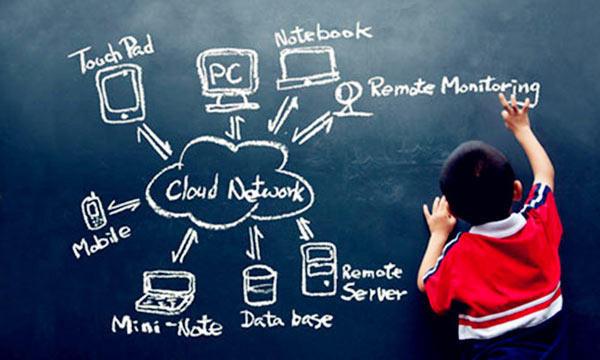
Regarding this point, I believe that with the emergence of video cloud service technology, a series of issues related to students' online learning have been perfectly resolved. For example, POLYV, as a video cloud service provider, utilizes three of the top domestic CDN service providers to ensure high-definition and smooth video playback nationwide, guaranteeing that millions of viewers can watch the same video simultaneously without lag.
With just a login account, customers no longer need to rent servers or bandwidth. POLYV has introduced a series of new video technologies for the education industry. Once widely adopted, these will significantly stimulate the development of the education sector and accelerate its integration with the internet industry. For example: Student Information Collector, which helps customers accurately gather information on prospective students; Courseware Player, which enables a three-screen effect, inserting real-time courseware while the teacher lectures to enhance student learning; Classroom Q&A Player, which not only increases interactivity in online classrooms and improves student learning outcomes but, more importantly, enhances video security to prevent screen recording by pirates. In terms of video security, POLYV employs a keyframe-based out-of-order video content protection system to prevent video downloads from the internet. Additionally, POLYV's anti-screen recording measure—the Classroom Q&A Player—not only strengthens anti-recording capabilities but also adds interactivity to video learning.
